
Blogs
Top Pool Maintenance Tips for Every Season
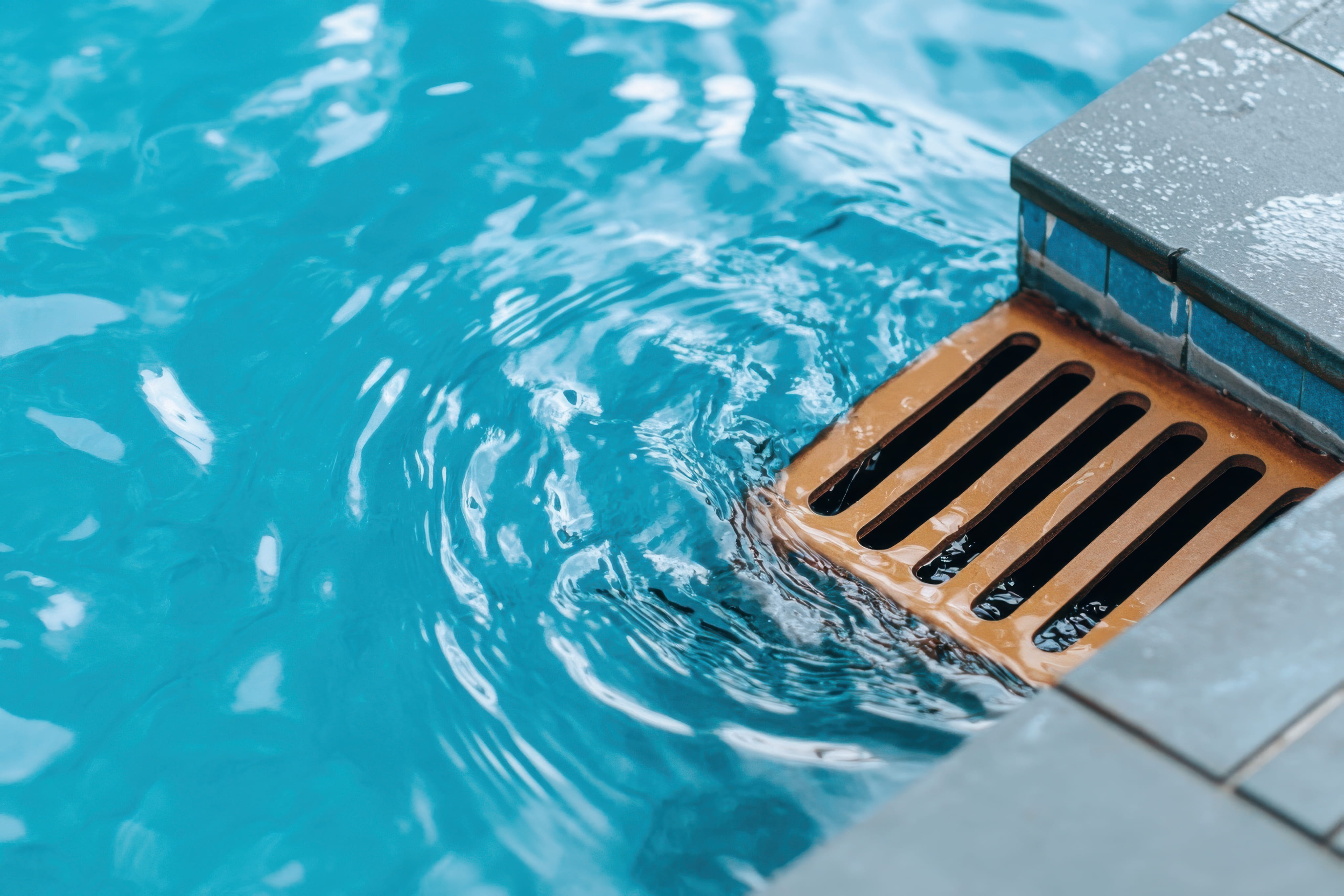
Your swimming pool naturally loses some water through evaporation, splashing, and regular use. During hot or dry weather, that loss can happen even faster. If the water level drops too far, your skimmer may begin pulling in air, which can interfere with circulation and put unnecessary strain on your pool equipment.
A pool autofill system provides a convenient solution by automatically adding water when the level drops below a set point.
When working correctly, it's a simple feature you may barely notice. When it fails, however, you may find yourself constantly reaching for the garden hose—or dealing with a pool that's filling too high.
What Is a Pool Autofill System?
A pool autofill is designed to maintain a consistent water level automatically. Many systems use a float mechanism similar to the one found inside a toilet tank.
As the pool water drops, the float activates the water supply. Once the correct level is restored, the system shuts the water off.
This helps keep your pool ready for normal circulation without requiring frequent manual adjustments.
Benefits of a Properly Working Autofill
An autofill system offers more than convenience. Maintaining the proper water level can help:
- Keep the skimmer operating correctly
- Prevent the pump from drawing in air
- Support consistent circulation
- Reduce the need for manual refilling
- Protect pool equipment from low-water conditions
- Make routine pool ownership easier
For homeowners who travel frequently or simply don't want to monitor water levels every day, an autofill can be especially useful.
Signs Your Pool Autofill Needs Repair
Autofill systems can develop problems as valves, floats, and other components age.
Common warning signs include:
The Pool Water Is Too Low
If the water level continues falling despite having an autofill system, the float valve may be stuck, clogged, improperly adjusted, or damaged.
The Pool Is Overfilling
An autofill that doesn't shut off can cause the water level to rise above normal. A worn valve or malfunctioning float may be responsible.
The Autofill Runs Constantly
A system that seems to run continuously shouldn't be ignored. The autofill itself could have a problem, but constant filling can also indicate that the pool is losing water elsewhere.
Visible Damage
Cracks, corrosion, worn fittings, or damaged internal components may prevent the system from operating reliably.
Is It the Autofill or a Pool Leak?
One important concern with an autofill system is that it can sometimes hide water loss.
Because the system automatically replaces missing water, a pool leak may go unnoticed for longer than it would in a pool filled manually. A surprisingly high water bill or an autofill that runs much more frequently than usual may indicate that further investigation is needed.
Instead of assuming the autofill is responsible, the pool should be inspected to determine whether water is being lost through plumbing, equipment, the pool structure, or normal evaporation.
Professional Autofill Installation and Repair
Proper installation helps ensure an autofill maintains the correct water level without overfilling the pool or wasting water.
A&N Pool Solutions can inspect existing autofill equipment, identify malfunctioning components, and determine whether repair or replacement is appropriate. For pools without an autofill, professional installation can provide a convenient way to simplify ongoing water-level management.
Protect Your Pool from Low Water Levels
Maintaining the correct water level helps your circulation system work as intended. Allowing the water to fall too low can affect skimmer performance and potentially cause problems for your pump.
A reliable autofill system takes one recurring maintenance task off your list while helping your pool operate consistently.


