
Blogs
Top Pool Maintenance Tips for Every Season
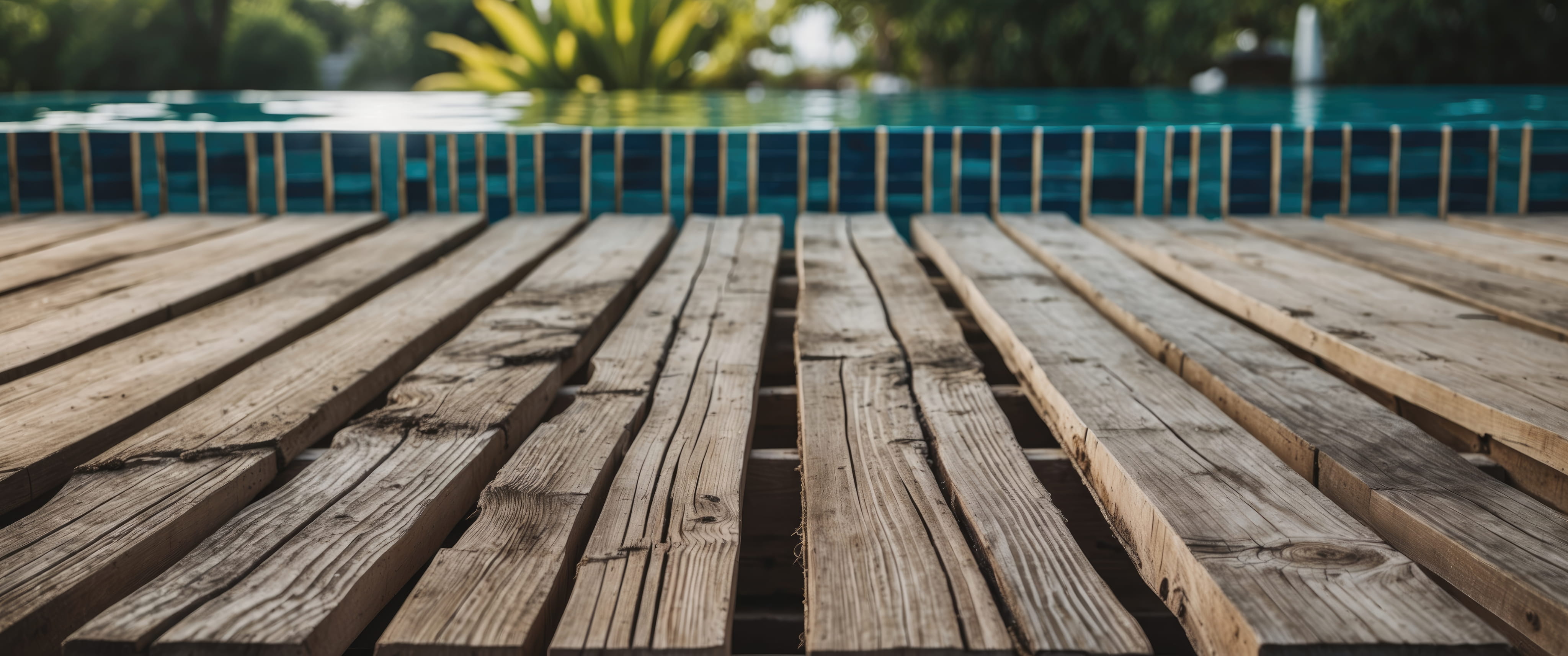
The narrow space between your swimming pool and surrounding concrete deck may not look important, but it serves a valuable purpose. Known as an expansion joint, this gap allows the pool structure and deck to move independently as temperatures and soil conditions change.
When the material sealing this joint begins to crack, separate, or deteriorate, water can enter areas where it doesn't belong. Over time, this can contribute to deck movement, cracking, and other problems around the pool.
Understanding when your pool expansion joint needs attention can help protect both your pool and surrounding deck.
What Is a Pool Expansion Joint?
Concrete naturally expands and contracts as temperatures change. Your pool shell and deck may also move differently because they are separate structures.
The expansion joint creates a flexible space between them.
A proper joint helps:
- Accommodate movement
- Reduce pressure between structures
- Limit water intrusion
- Protect surrounding concrete
- Reduce the risk of cracking and damage
The joint is typically filled or sealed with a flexible material designed to move without immediately cracking.
Signs Your Expansion Joint Needs Attention
Expansion joint materials don't last forever. Constant exposure to sunlight, water, chemicals, and changing weather conditions can gradually cause deterioration.
Common warning signs include:
Cracked or Missing Sealant
If the material has split, hardened, or disappeared from sections of the joint, water may be able to penetrate underneath the deck.
Separation Along the Pool Edge
Visible gaps between the sealant and surrounding surfaces indicate that the joint is no longer properly sealed.
Weeds Growing From the Joint
Vegetation growing through the gap is often a sign that the joint material has deteriorated enough to allow soil, moisture, and seeds to collect.
Water Collecting in the Gap
Standing water around an open expansion joint can eventually reach the soil beneath nearby concrete.
Movement or Cracking in the Deck
Deck cracks can have several causes, but deterioration around the expansion joint is worth inspecting when movement appears near the pool perimeter.
Why Water Intrusion Can Become a Problem
Once water enters an unsealed joint, it can reach the material beneath the deck. Repeated moisture exposure may contribute to soil movement, erosion, or settlement depending on the surrounding conditions.
That movement can place additional stress on the deck and other areas around the pool.
Repairing deteriorated joint material early is generally much simpler than waiting until surrounding surfaces begin showing more significant damage.
Can You Simply Add New Sealant Over the Old Material?
Applying new material directly over a failing joint isn't always the best solution.
Loose or deteriorated material may need to be removed first so the replacement can properly bond to the surrounding surfaces. The joint also needs to be prepared at the appropriate depth to allow the new flexible sealant to perform correctly.
Professional evaluation can determine what preparation and repair method are appropriate for the existing joint.
How Expansion Joint Maintenance Protects Your Pool Area
Keeping this area properly sealed can provide several benefits, including:
- Reduced water intrusion
- Better protection for surrounding concrete
- A cleaner pool perimeter
- Improved flexibility between the deck and pool
- Less opportunity for weeds and debris to enter the joint
- Prevention of avoidable deterioration
It's a relatively small part of the pool area that can make a meaningful difference in long-term maintenance.
Don't Ignore Deterioration Around Your Pool Deck
Cracked or missing expansion joint material can be easy to overlook because it doesn't immediately stop you from using your pool. However, allowing the joint to remain exposed can create additional maintenance concerns over time.
A&N Pool Solutions can evaluate areas around your pool and determine the appropriate solution when deterioration is affecting the surrounding structure.


