
Blogs
Top Pool Maintenance Tips for Every Season
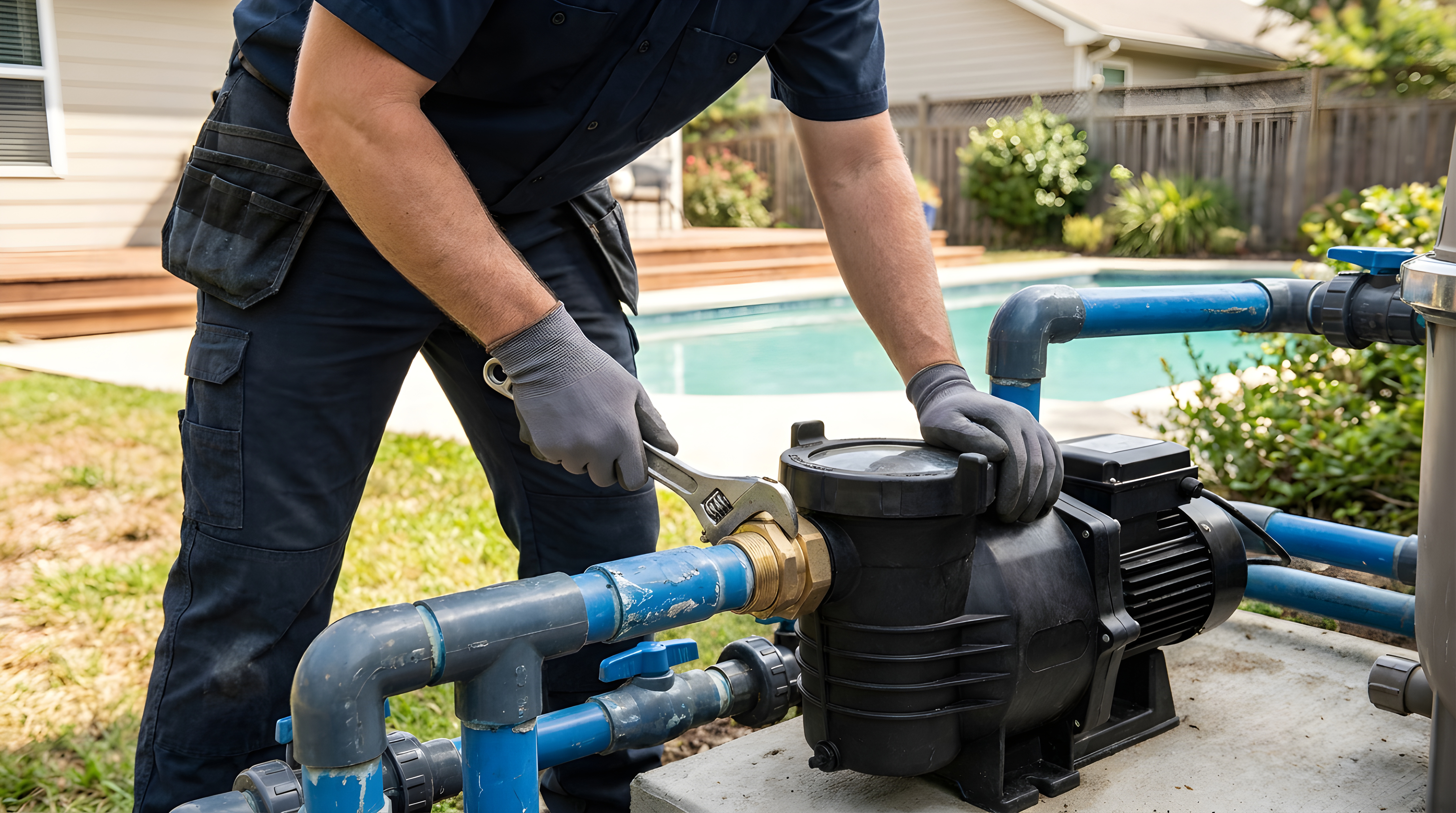
Why Professional Pool Pump Installation Matters for Long-Term Performance
Your pool pump is one of the most important pieces of equipment keeping your swimming pool clean and functioning properly. It moves water through the filtration system, helps distribute chemicals, and supports the overall circulation needed for healthy pool water.
When a pump becomes outdated, inefficient, or unreliable, replacing it with the right equipment can make a noticeable difference. However, choosing a new pump isn't simply about purchasing the most powerful model available. Proper sizing, installation, and configuration all play a role in how well your pool operates.
Understanding the importance of professional pool pump installation can help homeowners make informed decisions and avoid unnecessary equipment problems.
How Does a Pool Pump Work?
A pool pump pulls water from the skimmers and other suction outlets before pushing it through the filtration system. Once the water has been filtered, it returns to the swimming pool through the return jets.
This continuous movement helps prevent stagnant water and supports proper chemical distribution.
Without an effective pump, homeowners may experience cloudy water, debris buildup, inconsistent sanitation, and reduced filtration performance.
Signs You May Need a New Pool Pump
Pool pumps experience wear over time, especially when operating regularly throughout the year.
Several warning signs may indicate that replacement is worth considering:
- Unusual grinding, humming, or rattling noises
- Frequent shutdowns or overheating
- Weak water circulation
- Water leaking around the pump housing
- Difficulty starting or maintaining operation
- Increasing electricity consumption
- Repeated repairs without lasting improvements
These symptoms don't always mean the entire pump needs replacement. A professional inspection can help determine whether repairing an existing component or installing a new pump is the better solution.
Why Proper Pool Pump Sizing Matters
One of the most important parts of pool pump installation is selecting equipment that matches your swimming pool's needs.
A pump that is too small may struggle to provide sufficient water circulation. On the other hand, an oversized pump can consume unnecessary electricity and place additional pressure on plumbing and filtration components.
Professional pump selection considers several factors, including pool size, plumbing configuration, filter specifications, equipment requirements, and desired circulation performance.
At A&N Pool Solutions, choosing the appropriate pump helps homeowners maintain reliable performance without unnecessary operating costs.
Benefits of Professional Pool Pump Installation
Improved Water Circulation
A properly installed pump helps water move efficiently through the filtration system, reducing areas where debris and contaminants may accumulate.
Better Energy Efficiency
Modern variable-speed pool pumps allow homeowners to adjust operating speeds based on circulation and filtration requirements. When configured correctly, these pumps can reduce energy consumption compared with traditional single-speed models.
Reduced Equipment Strain
Correct pump sizing and installation help prevent unnecessary stress on filters, plumbing connections, and other equipment.
More Reliable Performance
Professional installation includes checking connections, inspecting equipment compatibility, and confirming that the pump operates as intended.
Easier Long-Term Maintenance
A properly configured pump makes routine pool maintenance more manageable and can help reduce unexpected equipment problems.
What Happens During Professional Pool Pump Installation?
Installing a new pool pump involves more than connecting plumbing and turning on the equipment.
The process typically includes evaluating the existing circulation system, selecting compatible equipment, removing the old pump, making the necessary plumbing and electrical connections, and testing the completed installation.
The technician should also verify proper water flow, check for leaks, and configure operating schedules when applicable.
These steps help ensure the new pump operates safely and efficiently.
Should You Repair or Replace Your Existing Pump?
Not every pump problem requires a complete replacement.
Minor leaks, worn seals, or certain electrical and mechanical problems may be repairable. However, an older pump experiencing repeated failures may become increasingly expensive to maintain.
A professional evaluation can help compare the cost of repairs with the benefits of replacement.
Homeowners should also consider potential energy savings, equipment age, and whether the existing pump meets their current circulation requirements.
Keep Your Pool Running Efficiently with A&N Pool Solutions
Your pool pump affects nearly every part of your swimming pool's circulation and filtration system. Choosing the right equipment and having it installed correctly can help maintain cleaner water, improve reliability, and reduce unnecessary energy use.
Whether you're dealing with a failing pump or planning an equipment upgrade, professional guidance helps ensure your investment supports your pool's long-term performance.


