
Blogs
Top Pool Maintenance Tips for Every Season
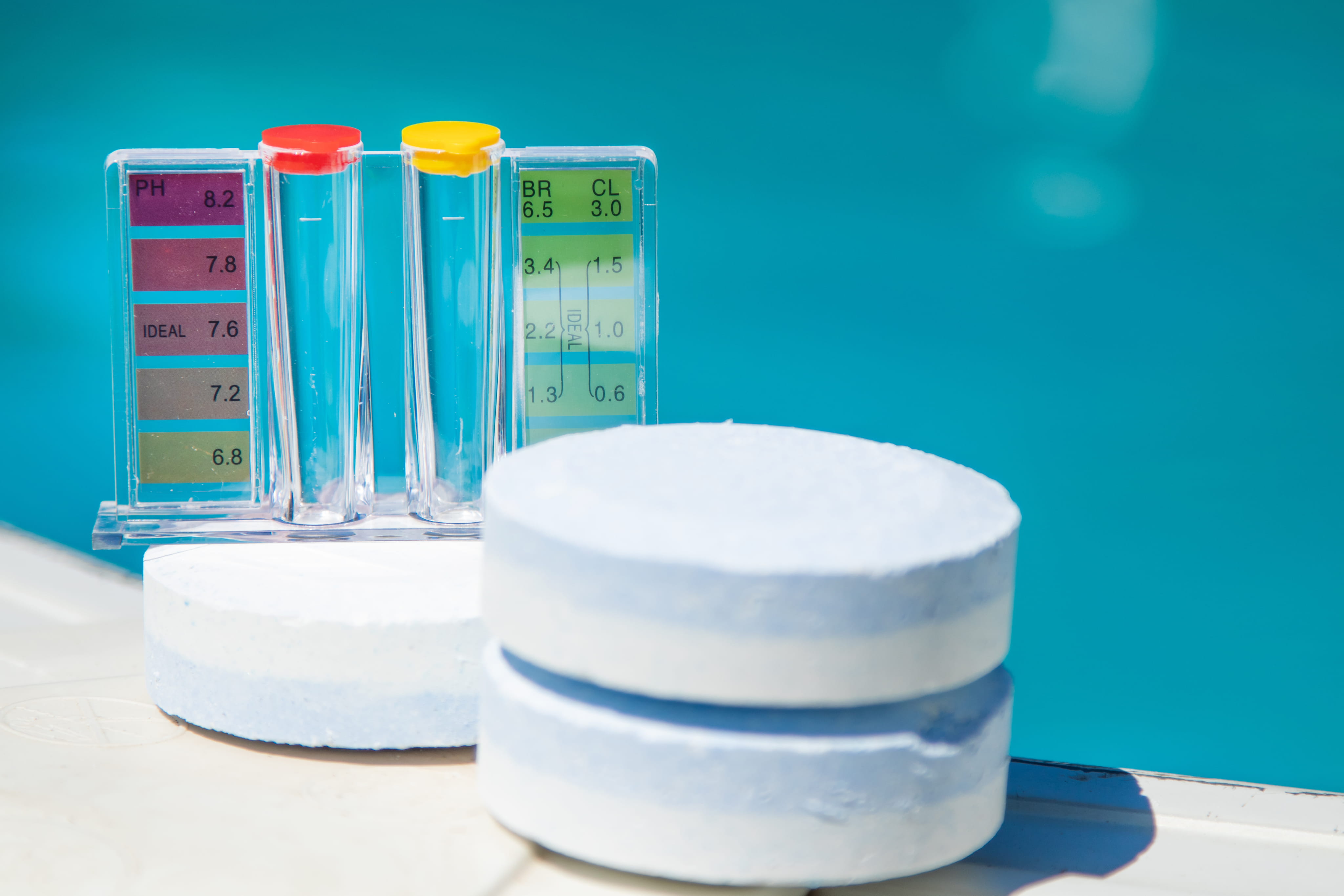
Maintaining the right sanitizer level is one of the most important parts of pool care. For pools equipped with an automatic chlorinator, this device helps deliver chlorine consistently without requiring homeowners to add it manually every day.
When a chlorinator isn't working correctly, chlorine levels can become inconsistent. That can lead to cloudy water, algae growth, unpleasant odors, and additional maintenance.
Recognizing chlorinator problems early can help you maintain better water quality and prevent a minor equipment issue from becoming a frustrating pool problem.
1. Chlorine Levels Stay Too Low
If you're regularly testing your water and chlorine levels remain low despite having tablets in the chlorinator, the unit may not be feeding enough sanitizer into the pool.
Possible causes include restricted water flow, a clogged chlorinator, a malfunctioning control valve, or worn internal components.
Rather than continually adding more chlorine, it's important to identify why the system isn't dispensing it correctly.
2. Chlorine Tablets Aren't Dissolving
Tablets should gradually dissolve as water passes through the chlorinator. If they remain nearly unchanged for an unusually long period, there may not be enough water flowing through the unit.
A blockage or valve problem could be limiting circulation and preventing proper chlorine distribution.
3. The Chlorinator Is Leaking
Water around your chlorinator should be investigated promptly.
Leaks may develop around:
- O-rings
- Lids
- Plumbing connections
- Control valves
- Cracked housings
Even a small leak can worsen over time and contribute to water loss or equipment damage.
4. You Notice Frequent Algae Growth
Recurring algae doesn't automatically mean your chlorinator is responsible. Water chemistry, circulation, filtration, and environmental conditions can all contribute.
However, if your pool repeatedly develops algae while the chlorinator appears to be operating, it's worth having the system inspected. Inconsistent chlorine delivery may be part of the problem.
5. The Control Valve Is Difficult to Adjust
Many chlorinators have a control valve that allows you to regulate chlorine output. If the valve becomes stiff, damaged, or unresponsive, maintaining consistent sanitizer levels becomes more difficult.
Replacing a worn component may restore normal operation without requiring an entirely new system.
6. The Unit Is Cracked or Heavily Worn
Pool equipment is constantly exposed to water, chemicals, heat, and outdoor conditions. Over time, the chlorinator housing and internal components can deteriorate.
Visible cracks, damaged threads, or severe wear may indicate that replacement is a better long-term option than another repair.
Why Proper Chlorination Matters
A reliable chlorinator helps maintain consistent sanitizer levels throughout your pool. When combined with proper circulation, filtration, and balanced water chemistry, it helps keep the water clear and ready for swimming.
A properly operating system can also simplify routine pool care by reducing the need for frequent manual chlorine adjustments.
Repair or Replace Your Pool Chlorinator?
Not every chlorinator problem requires replacement. Worn seals, clogged components, and certain valve issues may be repairable.
Older units with cracked housings, recurring leaks, or repeated performance problems may be better candidates for replacement.
A&N Pool Solutions can inspect your chlorination equipment and determine what's causing the issue before recommending the appropriate solution.


