
Blogs
Top Pool Maintenance Tips for Every Season
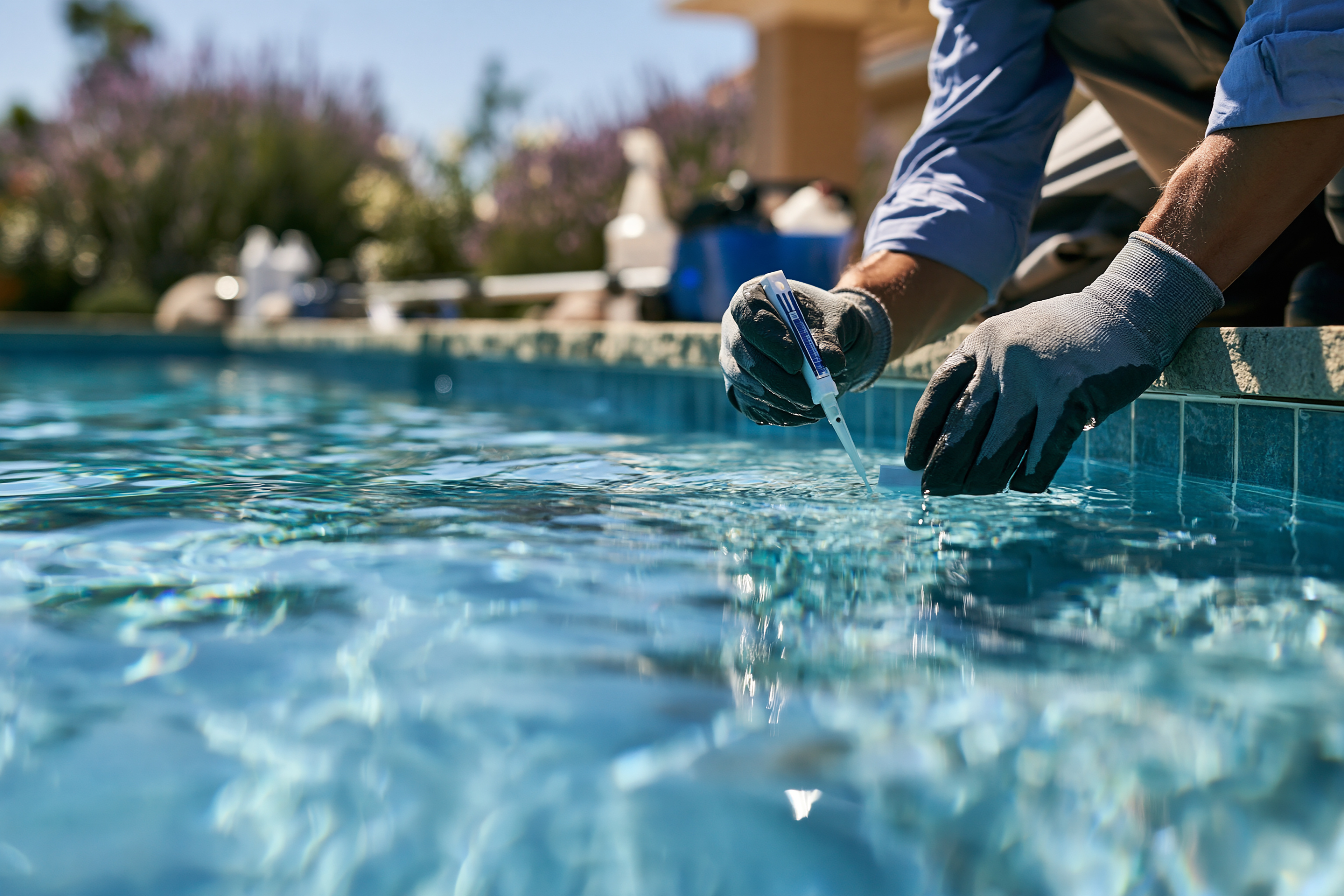
Owning a swimming pool comes with the responsibility of keeping its equipment, plumbing, and structure in good condition. While regular cleaning and chemical balancing are essential, they don't always reveal hidden problems that could lead to expensive repairs.
Small leaks, worn equipment, and circulation issues can develop gradually without obvious warning signs. By the time homeowners notice something wrong, the damage may already require significant repairs.
Scheduling regular pool inspections is one of the most effective ways to identify potential problems early, protect your investment, and keep your swimming pool operating efficiently throughout the year.
What Does a Professional Pool Inspection Include?
A professional pool inspection involves evaluating the major components responsible for keeping your swimming pool safe, clean, and functional.
Depending on the pool's condition and equipment, an inspection may include:
- Pool pumps and motors
- Filtration systems
- Plumbing connections and valves
- Pool heaters
- Skimmers and return jets
- Pool surfaces and visible structural components
- Water circulation and pressure
- Signs of leaks or equipment deterioration
Each component plays an important role in maintaining proper pool operation. Identifying developing problems before they worsen can help homeowners avoid unnecessary expenses.
1. Detecting Pool Leaks Before They Cause Damage
One of the biggest advantages of regular pool inspections is identifying potential leaks early.
Pool leaks can develop around plumbing connections, equipment seals, fittings, or damaged pool surfaces. Some leaks are immediately noticeable, while others remain hidden for weeks or months.
Warning signs may include:
- Unexplained water loss
- Wet areas around pool equipment
- Air bubbles entering the circulation system
- Frequent pool refilling
- Changes in water pressure
Ignoring these symptoms can lead to wasted water, increased utility bills, and possible damage to surrounding areas.
Professional pool inspections help determine whether further leak detection or plumbing repairs are necessary.
2. Preventing Unexpected Pool Pump Failures
Your pool pump works regularly to circulate water through the filtration system. Over time, normal wear can affect its efficiency and reliability.
During an inspection, a technician can check for unusual noises, leaks, overheating, and changes in water flow.
Addressing problems such as worn seals or restricted circulation early may help prevent more serious equipment failures.
A properly functioning pump also supports consistent filtration, making it easier to maintain clean pool water.
3. Identifying Pool Filter Problems Early
Your filtration system removes dirt, debris, and other particles from pool water. When a filter becomes clogged, damaged, or inefficient, water clarity can suffer.
A professional inspection can help identify:
- Damaged filter components
- Leaking filter housings
- Unusual pressure readings
- Restricted water flow
- Worn seals and connections
Resolving these issues early helps maintain filtration performance and reduces unnecessary strain on other equipment.
4. Catching Plumbing Issues Before They Become Major Repairs
Pool plumbing carries water between the pump, filter, heater, and swimming pool.
Even a small plumbing problem can affect circulation and lead to additional equipment issues.
Regular inspections help identify deteriorating connections, leaking valves, damaged fittings, and other visible warning signs.
When an underground plumbing problem is suspected, additional testing may be recommended to locate the issue accurately.
Early diagnosis can help reduce the likelihood of more extensive repairs later.
5. Protecting Your Pool's Structure and Surfaces
Swimming pool surfaces experience constant exposure to water, chemicals, sunlight, and changing temperatures.
Over time, homeowners may notice cracks, loose tiles, damaged coping, or deteriorating plaster.
Not every surface crack indicates a serious structural issue, but visible damage should still be evaluated.
A professional inspection can help distinguish routine surface wear from problems that may require repair or further investigation.
Addressing deterioration early may prevent damage from spreading and help maintain your pool's appearance.
How Often Should You Schedule a Pool Inspection?
The ideal inspection schedule depends on your pool's age, equipment condition, usage, and maintenance history.
Homeowners should consider professional inspections at least annually, with additional evaluations when unusual symptoms appear.
Older pools or systems with recurring equipment problems may benefit from more frequent assessments.
Inspections are also helpful before purchasing a home with a swimming pool, after severe weather, or before planning major renovations.
Why Professional Pool Inspections Are Worth the Investment
Routine inspections provide more than a list of equipment conditions. They help homeowners understand what their pool needs and which repairs should be prioritized.
Professional inspections can help:
- Identify problems before they become emergencies
- Reduce unexpected repair expenses
- Improve equipment reliability
- Support efficient water circulation
- Extend the useful life of pool components
- Maintain better water quality
- Plan future maintenance and upgrades
At A&N Pool Solutions, professional pool inspections help homeowners make informed decisions about repairs, maintenance, and equipment improvements.
Keep Your Pool in Good Condition Year-Round
Waiting until your pool equipment stops working can lead to inconvenient downtime and unexpected expenses.
Regular inspections provide an opportunity to identify developing issues while they are still manageable. Combined with consistent maintenance, they help protect your swimming pool and keep it ready for everyday enjoyment.


