
Blogs
Top Pool Maintenance Tips for Every Season
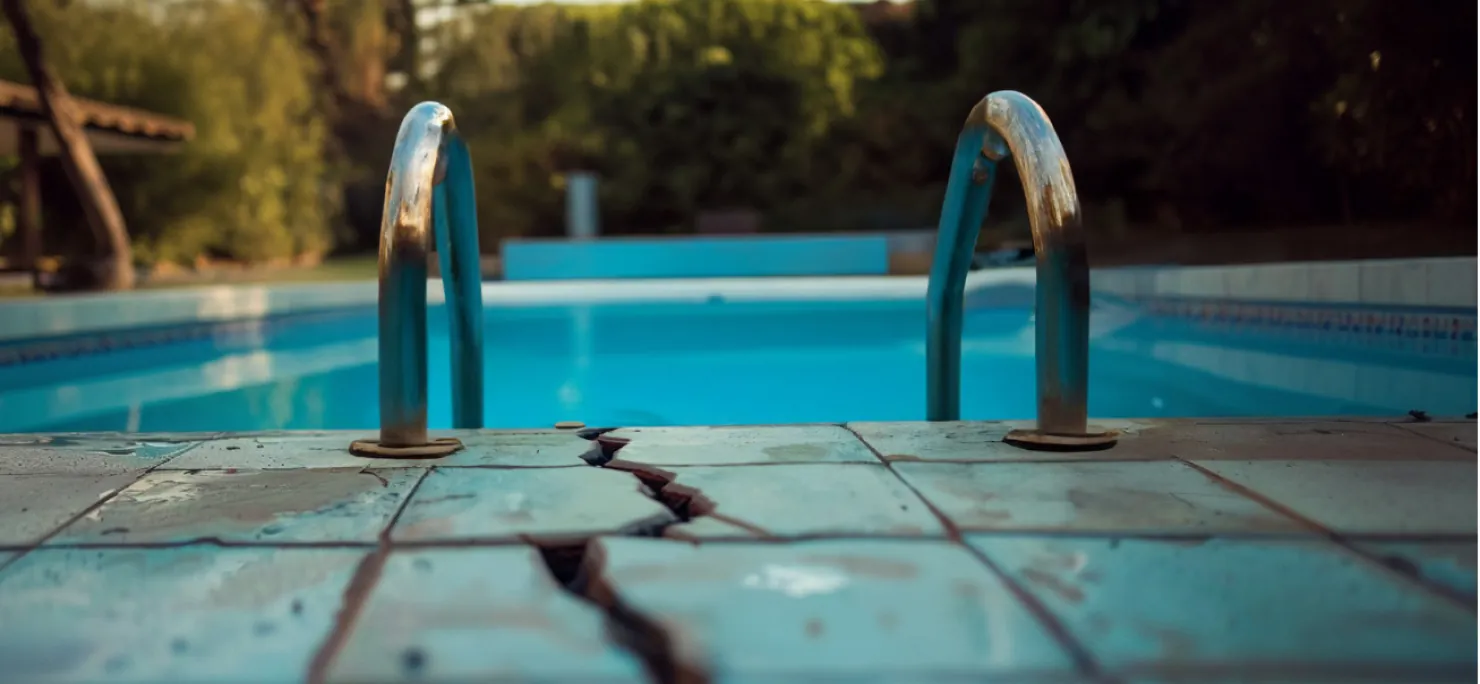
Hairline cracks may not seem like a big deal—but in a swimming pool, even the smallest fracture can lead to major problems. Cracks compromise your pool’s structure, cause water loss, and potentially damage surrounding soil or decking. Understanding the causes and knowing when to act can save you time and money.
What Causes Pool Cracks?
Pool cracks can occur for several reasons, including:
- Ground Shifting or Soil Movement: Over time, expansive soils or poor compaction under your pool can cause the shell to move or settle unevenly.
- Poor Construction or Workmanship: Inadequate reinforcement, thin plaster, or improperly cured concrete increases the risk of structural cracking.
- Aging Materials: Older pools may naturally develop wear and stress points.
- Freeze/Thaw Cycles: In colder climates, temperature changes can expand and contract materials, leading to cracks.
- Improper Draining: Draining a pool without proper hydrostatic pressure relief can stress the shell and cause cracks.
Types of Pool Cracks
Not all cracks are equal. Here are the most common types:
- Surface (Plaster) Cracks: Typically cosmetic, but should be monitored if they grow.
- Structural Cracks: Deep cracks that go through the gunite or shotcrete and can cause leaks.
- Horizontal Cracks: Often found near the tile line or bond beam—may indicate shifting.
- Spider Cracks: Fine web-like cracks usually in plaster surfaces.
Professional inspection is key to determining the type and severity of the issue.
Risks of Ignoring Pool Cracks
Leaving cracks unaddressed can lead to:
- Water Loss: Even small cracks can cause consistent leakage.
- Soil Erosion: Escaping water may weaken the soil around the pool, compromising stability.
- Equipment Damage: Leaks can affect pumps or lead to overuse due to refilling.
- Structural Failure: Over time, cracks can grow and weaken the overall integrity of your pool shell.
Professional Pool Crack Repair Solutions
A&N Pool Solutions offers effective and lasting repair options:
- Epoxy Injection: Ideal for small, non-structural cracks.
- Staple Stitch Repair: Structural reinforcement used for larger or load-bearing cracks.
- Plaster Reapplication or Resurfacing: Restores aesthetics while sealing hairline cracks.
- Underwater Sealants: For minor leaks without draining the pool.
Each method is chosen based on crack location, type, and pool material.

Noticing cracks in your pool? Don’t wait until they turn into a bigger problem. Reach out today for a professional inspection and expert repair options that restore both beauty and structure.


.svg)
.svg)
.svg)